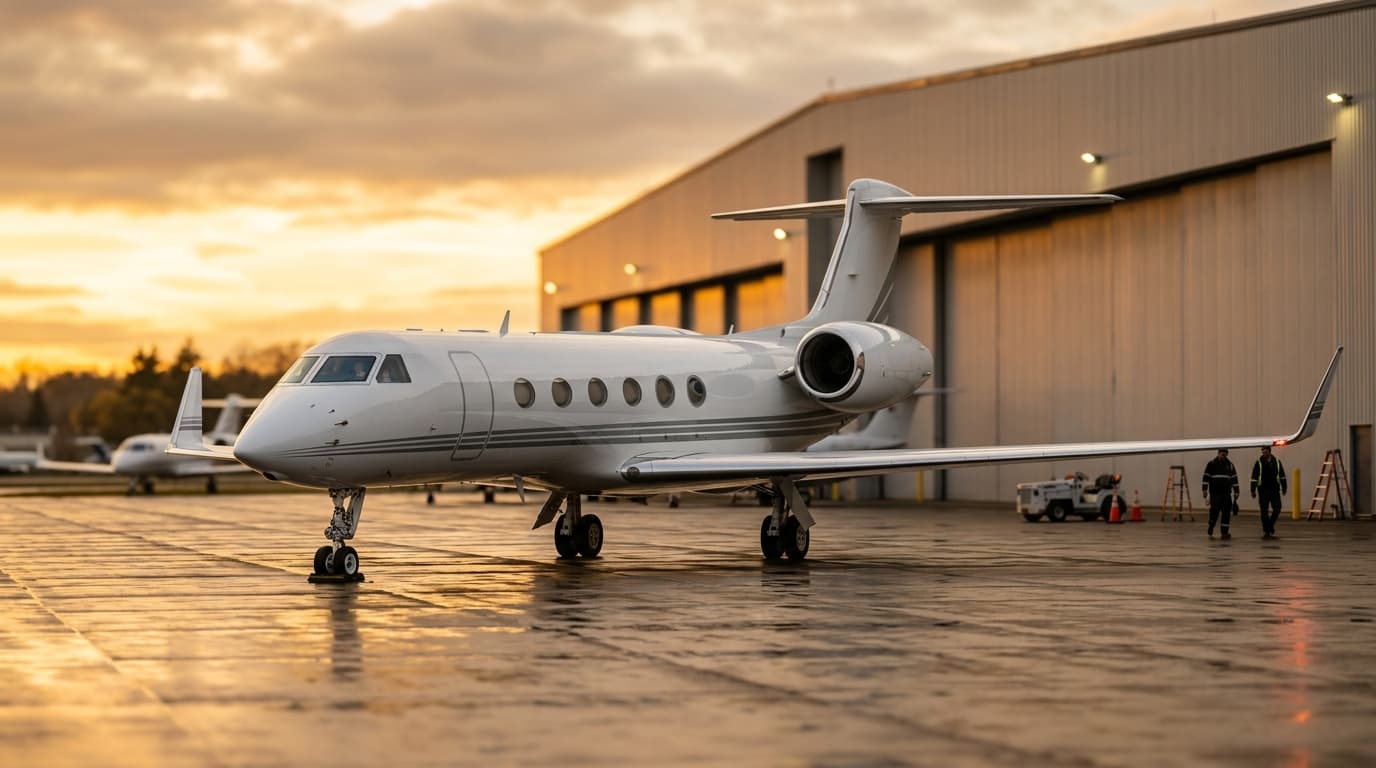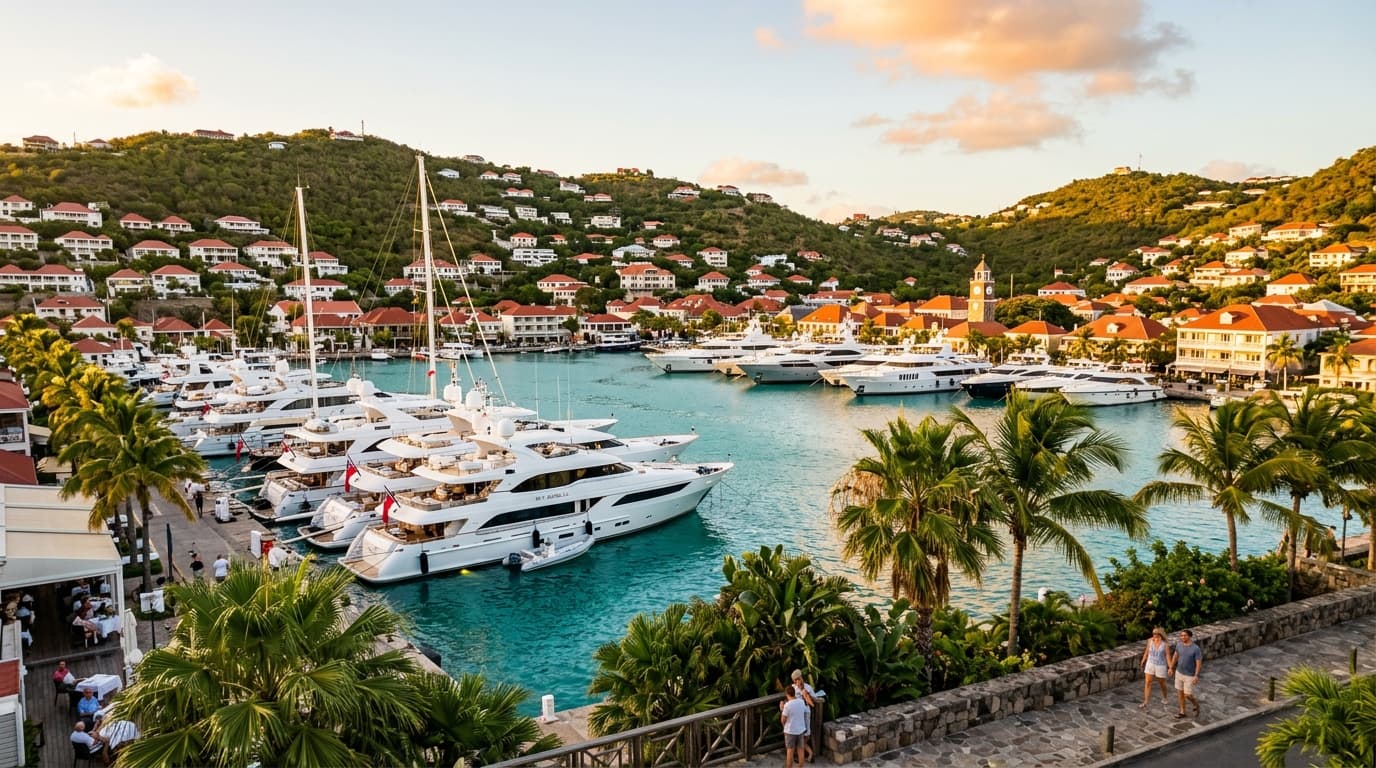
 Farnborough
 Nice

Hire, Rent or Charter: Why the Words Differ but the Product Is the Same
The same Challenger 350 can be quoted at £11,500 or £17,000 for an identical Farnborough (EGLF) to Nice (LFMN) sector, depending on who is selling it and whether the aircraft must fly empty to collect you. People searching for private jets for hire, private jet rentals or jets to rent are asking for one product, yet the route behind each phrase decides what they pay and who answers for the flight.
In the UK and Europe the regulated term is charter: a licensed operator sells the use of a whole aircraft, with crew, fuel, insurance and maintenance, for a defined trip. Hire is simply the everyday British word for it. Rent is the American habit, and it misleads, because nobody hands you the keys. You are buying a flight that someone else is legally responsible for.
Three neighbouring products turn up under the same searches and are worth separating. A jet card prepays a block of flying hours, commonly 25 or more, at a fixed hourly rate. Fractional ownership gives you a share of one aircraft plus a monthly management fee. Seat-based flights sell individual seats on a set departure.
None of those is on-demand charter, where you choose the date, the airports and the aircraft category, and pay for the aircraft rather than a seat.
Across every label the product is the same: one aircraft, one crew, one operator's certificate, one price. What changes is how many intermediaries sit between you and that certificate, and what each of them adds.
Who Actually Owns and Flies the Aircraft You Hire
Every lawful charter flight in Europe is flown under an Air Operator Certificate (AOC), issued by a national authority such as the UK Civil Aviation Authority or Transport Malta. The holder is the operator, and it is the operator, not the website or the broker, that answers for crew training, maintenance standards and the safe conduct of your flight.
The owner is frequently someone else. Many jets belong to private individuals or companies who place them on an operator's certificate and offset running costs through charter. That arrangement is normal and safe.
The danger is an owner flying paying passengers with no certificate at all, known in the trade as illegal charter. Insurance on such a flight can be void, and no regulator stands behind the passenger.
A broker sits in a third position: an agent that sources and compares operators on your behalf without owning or flying anything. A marketplace app is a variant, listing aircraft from many operators and adding a booking fee on top of the operator's price. The practical test is who you can telephone when a departure moves at 06:00.
Before paying, ask for four things in writing: the operator's name and AOC number, the aircraft registration, the operator's current third-party safety audit rating from Argus or Wyvern, and the name of the insurer. Registration prefixes help you check the paperwork: G- is UK, M- Isle of Man, 9H- Malta, OE- Austria.
Sub-chartering deserves its own question. An operator whose aircraft goes technical may hand your flight to another certificate holder; that is legitimate when disclosed in advance and a serious problem when you learn of it at the FBO.

How Private Jet Hire Is Priced: Positioning, Waiting Time, Fees and Taxes
Hourly rates are the starting point, never the final price. Indicative European rates run at £3,500 to £4,500 an hour for a light jet such as the Embraer Phenom 300E, £4,500 to £6,000 for a midsize Cessna Citation XLS+, £6,000 to £8,000 for a super-midsize Challenger 350, and £8,500 to £12,500 for an ultra-long-range aircraft such as the Gulfstream G650ER.
Flying time is billed block to block, and the quote then adds the rest. Positioning is the cost of flying the aircraft from its base to your departure airport, and home again if no other client picks it up. Waiting time applies when the aircraft stays with you, usually after an agreed free period, and crew overnights add accommodation and subsistence.
Fees and taxes follow: landing and parking charges, handling at the FBO, Eurocontrol route charges, de-icing in winter, catering and customs. VAT treatment depends on the aircraft, the route and the operator's base, and Air Passenger Duty can apply to larger aircraft, so the quote should show both as separate lines. On a short European sector, fees and taxes commonly add 10 to 20 per cent to the flying charge.
As a representative sector, Farnborough to Nice is about 1 hour 50 minutes block. A Phenom 300E typically prices at £8,500 to £11,500 all in one way, and a Challenger 350 at £11,500 to £16,000. Westbound, Farnborough to Teterboro (KTEB) is roughly 7 hours in a G650ER, which typically runs to £75,000 to £100,000 one way before US fees.
The price reaches you in three forms. On-demand charter, where you set the date and airports, is quoted as a fixed per-trip price built from the lines above. Hourly pricing belongs to jet cards. An empty leg is a repositioning flight sold at a discount, often 25 to 50 per cent below the standard one-way price, but on the operator's date and route rather than yours.
A same-day return is not two one-way prices. Operators quote it on total flying hours plus waiting time, so a Nice day trip usually lands below double the single sector, because the aircraft avoids a second positioning leg.
Matching the Aircraft to the Trip: Light Jet, Midsize, Heavy and Long-Range
Distance and passenger count choose the category before preference does. Light jets suit four to six passengers on sectors under about 2,000 nm. The Phenom 300E has a cabin 5 ft 1 in wide and 4 ft 11 in high and a range of roughly 2,010 nm, enough for London to Geneva (LSGG) in around 1 hour 30 minutes. Luggage space, not seats, is usually the limit, so tell your broker how many cases are travelling.
A Citation XLS+ offers a cabin 5 ft 6 in wide and 5 ft 7 in high, seats six to eight and reaches about 2,100 nm.
Super-midsize jets are where cabin width steps up. The Challenger 350 is 7 ft 2 in wide and 6 ft 0 in high, seats eight to nine and flies about 3,200 nm, nonstop from London to the Canary Islands or Marrakech. The Cessna Citation Longitude, at around 3,500 nm, is its closest alternative for similar sectors.
Beyond roughly 3,500 nm, the shortlist is the ultra-long-range group: the Dassault Falcon 8X (7 ft 8 in wide, 6,450 nm), the Gulfstream G650ER (8 ft 2 in wide, 7,500 nm) and the Bombardier Global 7500 (8 ft 0 in wide, 7,700 nm). These are the aircraft for London to Singapore, and for parties of ten or more or flights over six hours.
Airport choice matters almost as much as the aircraft. Smaller airfields such as Cannes-Mandelieu (LFMD) accept light and midsize jets, which can save roughly 30 minutes of road transfer compared with landing at Nice.
Chartering larger than the trip requires is the commonest overspend. A Challenger 350 carrying four passengers to Nice for £11,500 to £16,000 would cost roughly double in a heavy jet, for a cabin they would not use.
From Enquiry to Wheels-Up: A Practical Hire Timeline and the Questions to Ask Before You Confirm
Most trips begin with an enquiry that takes two minutes to write: route, dates and times, passenger count, number of bags, pets, and how flexible you are on timing or airport. A broker should return options within a few hours, usually two or three aircraft from different operators.
Lead times vary with the season. A midsize jet can often be arranged within 24 to 48 hours, and a flight within 4 to 8 hours is possible when a suitable aircraft is nearby. On peak days, such as the Friday before Easter or July weekends into Nice and Ibiza (LEIB), allow five to seven days, since aircraft are scarce on those routes.
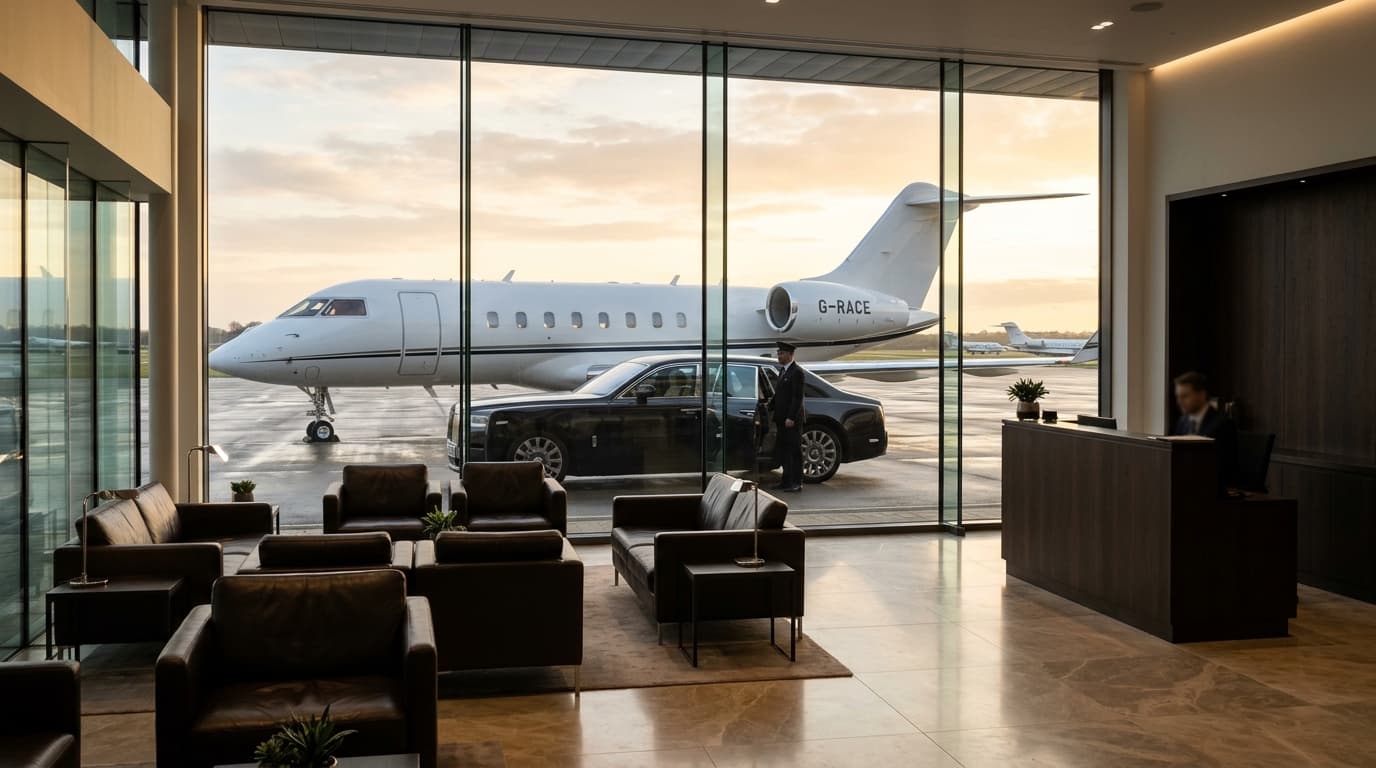
After you confirm, the sequence runs: contract and payment, passenger names and passport details at least 48 hours ahead, catering and ground transport, then flight plan, slots and handling in the final 24 hours. On the day you arrive at the FBO 20 to 30 minutes before departure, clear a short private security check and walk to the aircraft. There is no terminal queue.
Before you confirm, put these questions to whoever is selling the flight:
- Which operator is flying, and what is the registration of the aircraft?
- Is the price all-in, and which fees, taxes and waiting time are excluded?
- What is the cancellation scale, and from how many hours before departure does it start?
- If the aircraft goes technical, who finds the replacement, and does it match the original category?
- Could a nearby airport, such as Biggin Hill (EGKB) instead of Farnborough, reduce fees or transfer time?
A quote that names the operator and tail number, shows every fee as its own line and leaves you with a person to call is what hiring a private jet should look like. If a price sits far below the others, the usual explanation is a missing line item, an unaudited operator or an empty-leg date that will not suit you.