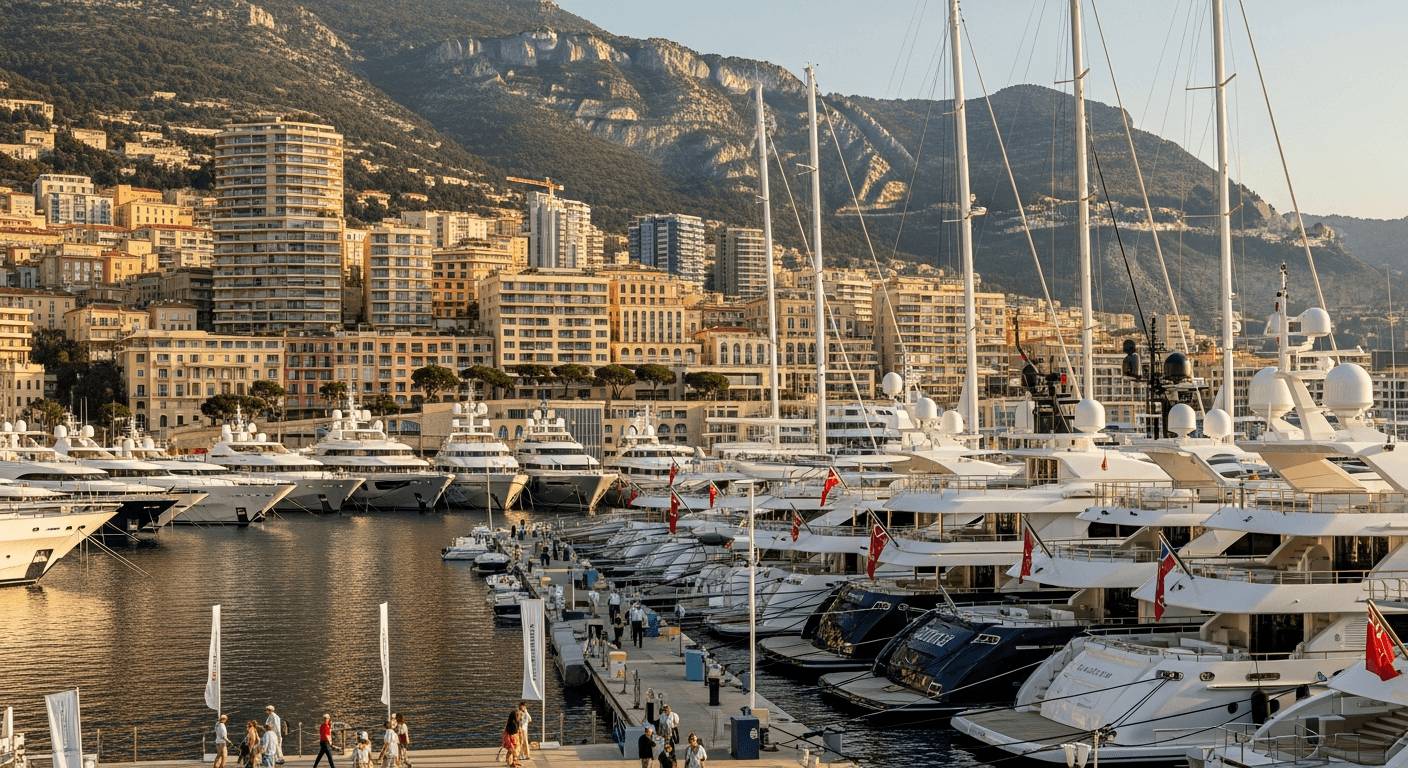
Why the Monaco Yacht Show Runs on Different Logistics Than a Grand Prix Weekend
A private jet touching down at Nice Côte d'Azur (LFMN) during Monaco Yacht Show week joins a queue of arrivals that peaks between 10:00 and 14:00, the same window most owners want their tender waiting at Port Hercule. That overlap is the whole story. At the Grand Prix, the aircraft only has to get a client to a hotel room by a reasonable hour; at the Yacht Show, it has to land the client, their luggage, and often a small team of crew or guests in time to make a specific berth appointment, a broker meeting on a specific hull, or a reception that starts the moment the gates open.
Ascot and the Grand Prix reward flexibility; a delayed slot costs you traffic, not opportunity. The Monaco Yacht Show punishes it. Superyacht viewing appointments are booked in fixed windows, tenders run on a schedule set by the marina, not the guest, and a broker who misses a 15:00 viewing because their aircraft sat in a Nice holding pattern does not get a second slot that day.
The crowd itself is different too. Grand Prix weekends draw racing fans and corporate hospitality groups who move as one block through a single fixed schedule. Monaco Yacht Show week scatters owners, brokers, and guests across dozens of separate berths and waterfront receptions, each with a different appointment book, and each expecting the aircraft, the tender, and the car to be waiting at the right minute rather than the right morning.
That single fact defines every Monaco Yacht Show private jet decision that follows: timing, airport choice, and aircraft size all bend around the tender schedule, not the hotel check-in. Clients who treat this as a normal Riviera weekend end up landing at the right airport at entirely the wrong hour.
Nice Côte d'Azur vs. the Monaco Heliport: Choosing Your Arrival Point
LFMN's private aviation terminal sits roughly seven minutes by helicopter from Monaco's Fontvieille heliport when Monacair's Nice-Monaco shuttle is running to schedule, and closer to fifty minutes by road once show-week traffic closes lanes along the Basse Corniche. That gap is the entire arrival decision in one figure.
Fixed-wing aircraft cannot land in Monaco itself; there is no runway. Every private jet route into the Monaco Yacht Show terminates at Nice, and from there the client chooses between a helicopter connection, a chauffeured road transfer, or, for those without onward baggage, a high-speed ferry from Nice's Quai des Docks. The helicopter leg runs roughly €170 to €250 per seat and takes under ten minutes in the air, though ground handling and security at both ends typically stretch the door-to-door time to thirty minutes.
Road transfer is cheaper and simpler to arrange, but during show week the coastal route between Nice airport and Monaco can run to ninety minutes rather than the usual forty, particularly on the Thursday and Friday when yacht owners, crew changeovers, and day-trip guests all converge on the same stretch of the A8. For a client with a viewing appointment or a lunch reservation at a fixed hour, that unpredictability is the risk, not the cost, which is why most Monaco Yacht Show private jet clients now book the helicopter connection before they book the aircraft itself, locking the transfer slot first and working the flight time backwards from it.
Guests arriving without a hard deadline, or travelling with more luggage than a helicopter's weight allowance comfortably carries, are usually better served by road, particularly if the charter includes a chauffeured car as standard.
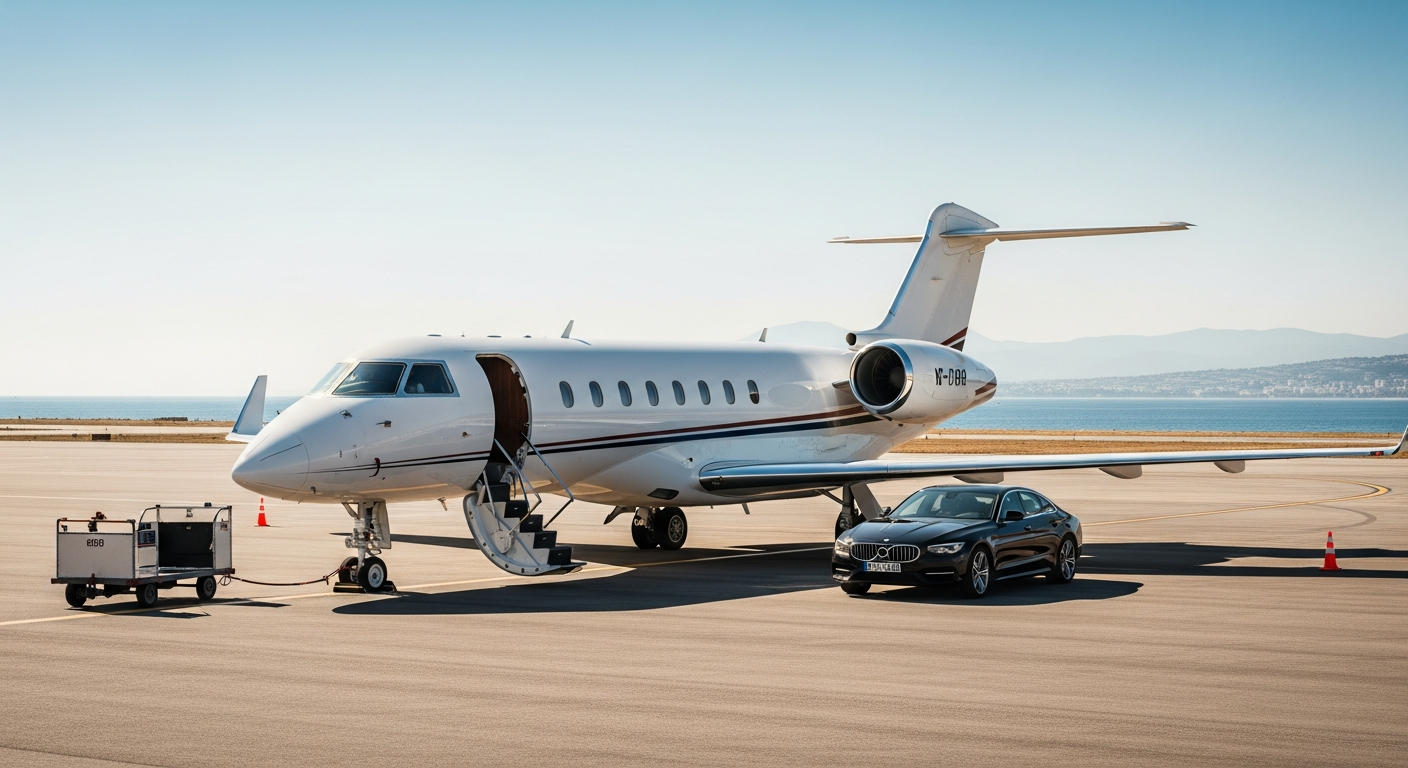
Timing Your Charter Around the Show's Peak Days and September Riviera Congestion
Slot requests at LFMN for the Wednesday and Thursday of show week routinely fill six to eight weeks out, well ahead of the Friday and Saturday dates most first-time charterers assume will be the pinch point. The Monaco Yacht Show's peak viewing days, when the largest concentration of brokers, owners, and press move through Port Hercule and the Darse Nord extension, sit mid-week, and aircraft availability out of London, Geneva, and Zurich tightens accordingly.
September compounds the problem in a way May's Grand Prix crowd does not. The month carries the tail end of the Mediterranean charter season, so aircraft that would otherwise be repositioning back north are still working yacht charters, corporate retreats, and the last of the summer villa season along the coast. A broker booking a Monaco Yacht Show private jet charter for the Wednesday-to-Saturday peak is competing for the same limited pool of Nice-based and Nice-capable aircraft as several thousand other arrivals converging on a single runway.
The practical answer is to book six weeks out for peak days and to build in a buffer day either side. Arriving on the Tuesday before the show opens, rather than the Wednesday morning, avoids the worst of the inbound congestion and gives a client a full uninterrupted evening to settle before the appointments start. Departing on the Sunday rather than the Saturday night, when outbound demand spikes as everyone tries to leave at once, tends to save both money and waiting time on the ramp.
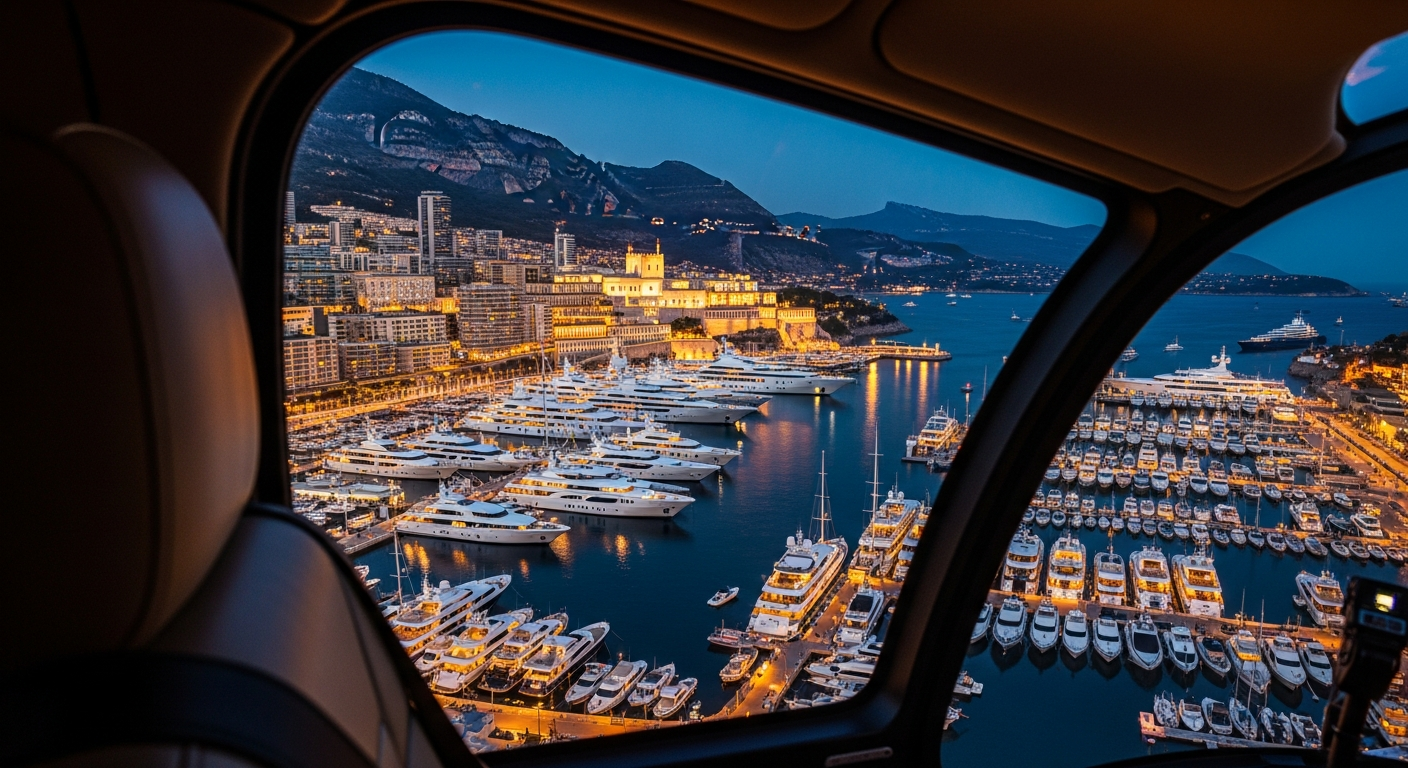
Matching Aircraft to the Trip: Quick Continental Hops vs. Longer-Haul Owners and Guests
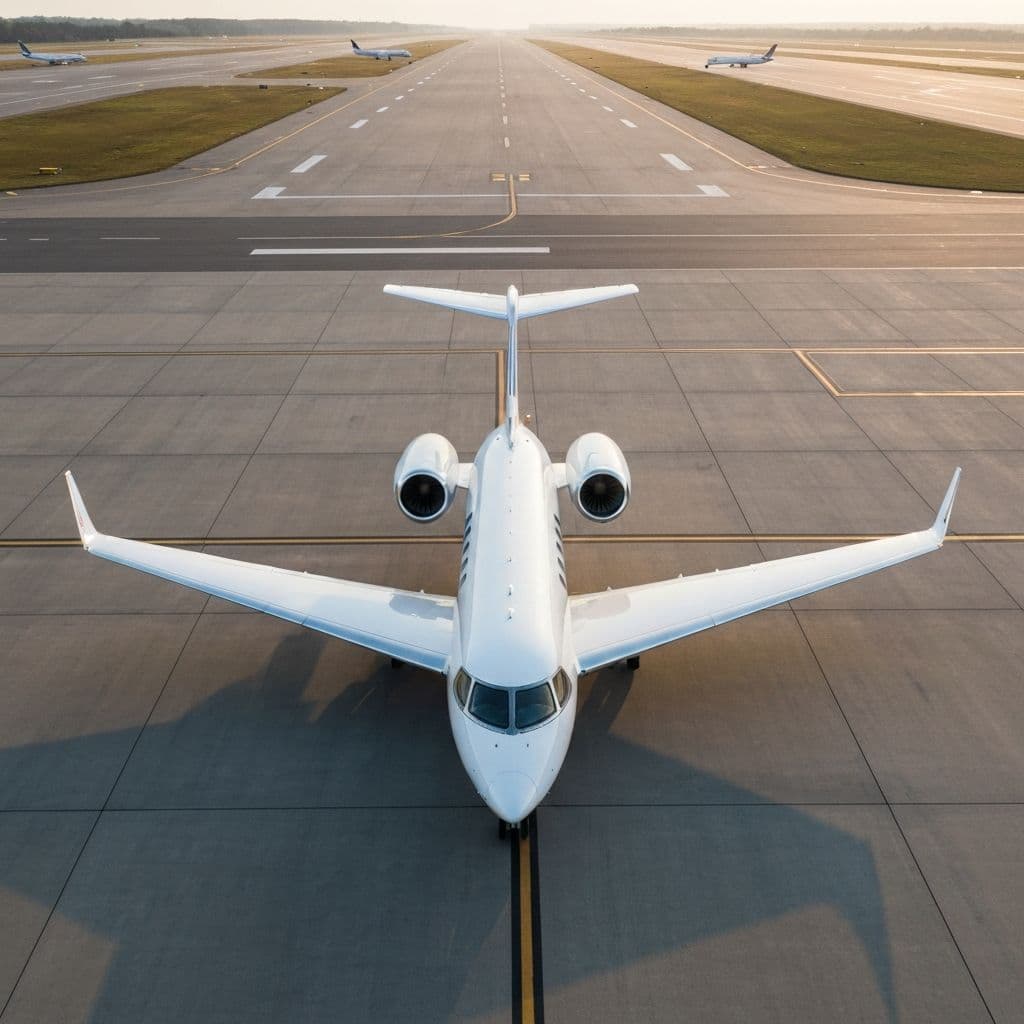
A four-passenger party flying in from Farnborough (EGLF) for two nights needs nothing larger than an Embraer Phenom 300E, which covers the London-Nice sector in around one hour fifty minutes and comfortably seats six with room for yacht-show luggage. Groups of seven or eight, or clients who want to bring a stylist, an assistant, or a broker along for the trip, are better matched to a Citation Longitude or a Challenger 350, both of which add stand-up cabin height and a genuine galley for a journey that short.
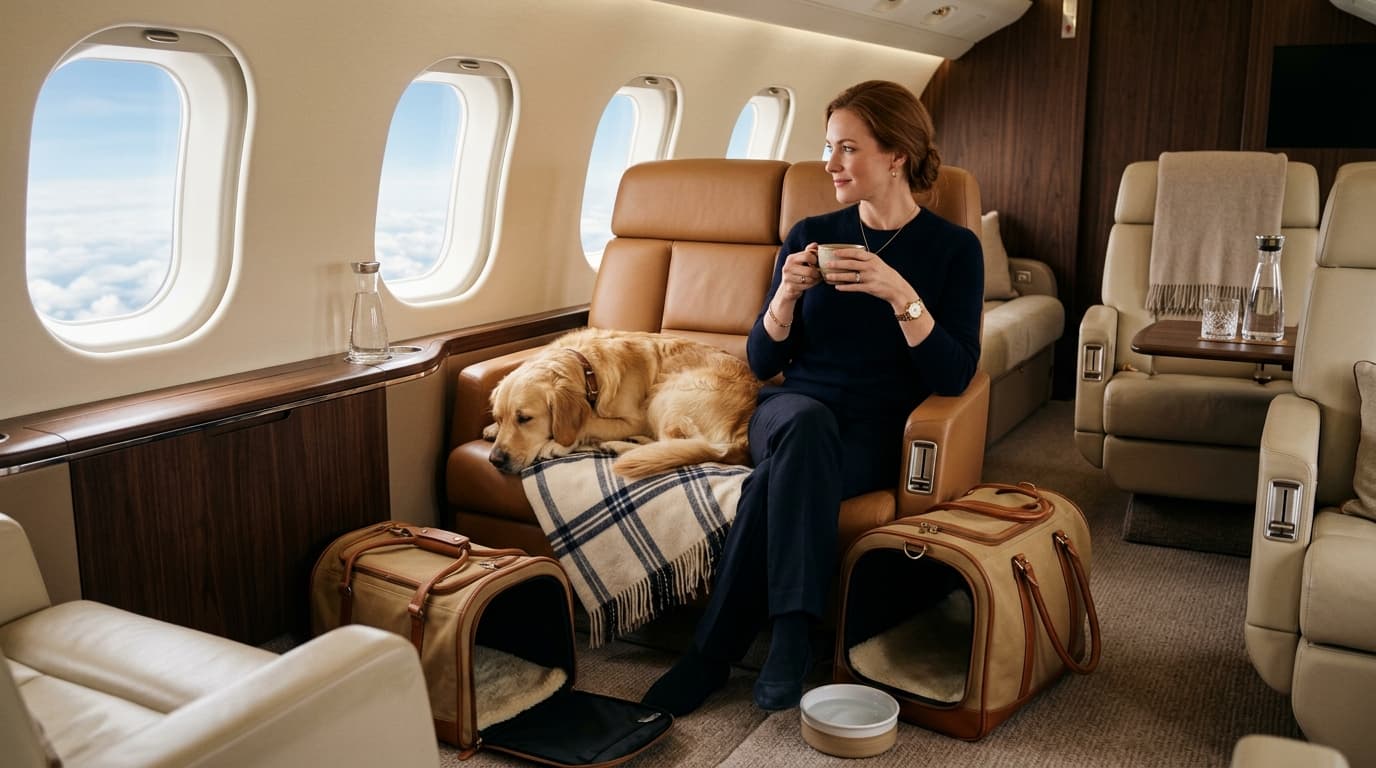
The calculus changes entirely for owners and long-haul guests. A client flying in from New York or Los Angeles for the full show week is not making a quick continental hop; they need an aircraft capable of a genuine transatlantic sector without a fuel stop, which points towards a Bombardier Global 7500 or a Dassault Falcon 8X, both of which can fly nonstop from the US East Coast into Nice with cabin space to work, sleep, and arrive ready for a first-day viewing appointment. A Gulfstream G650ER covers the same distance with margin to spare and is a common sight on the Nice ramp during show week for exactly that reason. The Global 7500's 7,700 nautical mile range and four distinct living zones suit an owner's family travelling with staff for the full week, while the Falcon 8X's 6,450 nautical mile range and three-engine redundancy make it the more common choice on the longer Middle East and West Africa sectors into Nice.
A one-way charter from Farnborough or Luton to Nice on a light jet such as the Phenom 300E currently runs £9,000 to £13,000 depending on lead time and aircraft positioning, rising to £13,000 to £18,000 on a midsize aircraft with the extra cabin space a broker or a family of four typically wants. Transatlantic sectors on a Global 7500 or comparable long-range aircraft are a different order of spend, generally £45,000 to £65,000 one-way from the US East Coast, and worth booking as early as the aircraft calendar allows given how few of those airframes are free during peak European show season.
Pairing the Show with the Cannes Yachting Festival: One Trip, Two Events
Cannes Mandelieu (LFMD) sits roughly eighteen nautical miles west of Nice, close enough that the two shows now sit a little under two weeks apart on the September calendar rather than as separate trips requiring separate flights months apart. Clients with an interest in both build events increasingly treat the pairing as one Riviera positioning trip instead of two round-trip charters.
The logic is straightforward. An owner or broker already committing an aircraft, a crew, and several days to the region gets meaningfully more value from a single charter that covers both Cannes and Monaco than from two separate bookings a fortnight apart, particularly once repositioning costs and empty-leg pricing are factored in. Landing at LFMD for the Yachting Festival, holding the aircraft on the ground or repositioning it locally, then making the short onward hop to Nice for the Monaco Yacht Show private jet leg keeps the whole itinerary under one contract and one crew roster.
The practical constraint is aircraft holding. Few operators will keep a jet sitting idle at LFMD or LFMN for the better part of two weeks without a repositioning fee, so the more common pattern is a return-to-base flight after Cannes, a short home stretch, and a second charter into Monaco for the later dates. Clients who want genuine continuity, the same aircraft and crew for both legs, should raise that requirement with their broker at the point of the first booking, not after the Cannes leg has already been confirmed, since the aircraft's onward availability needs to be locked in before other charters claim the same window.
Either approach beats treating the two events as unrelated bookings. The Riviera's September calendar rewards clients who plan the whole month as a single logistics problem rather than two isolated trips, and a broker who knows the aircraft calendar for both windows can often secure a repositioning rate on the second leg that a standalone Monaco booking would never see.