 Farnborough
 Nice

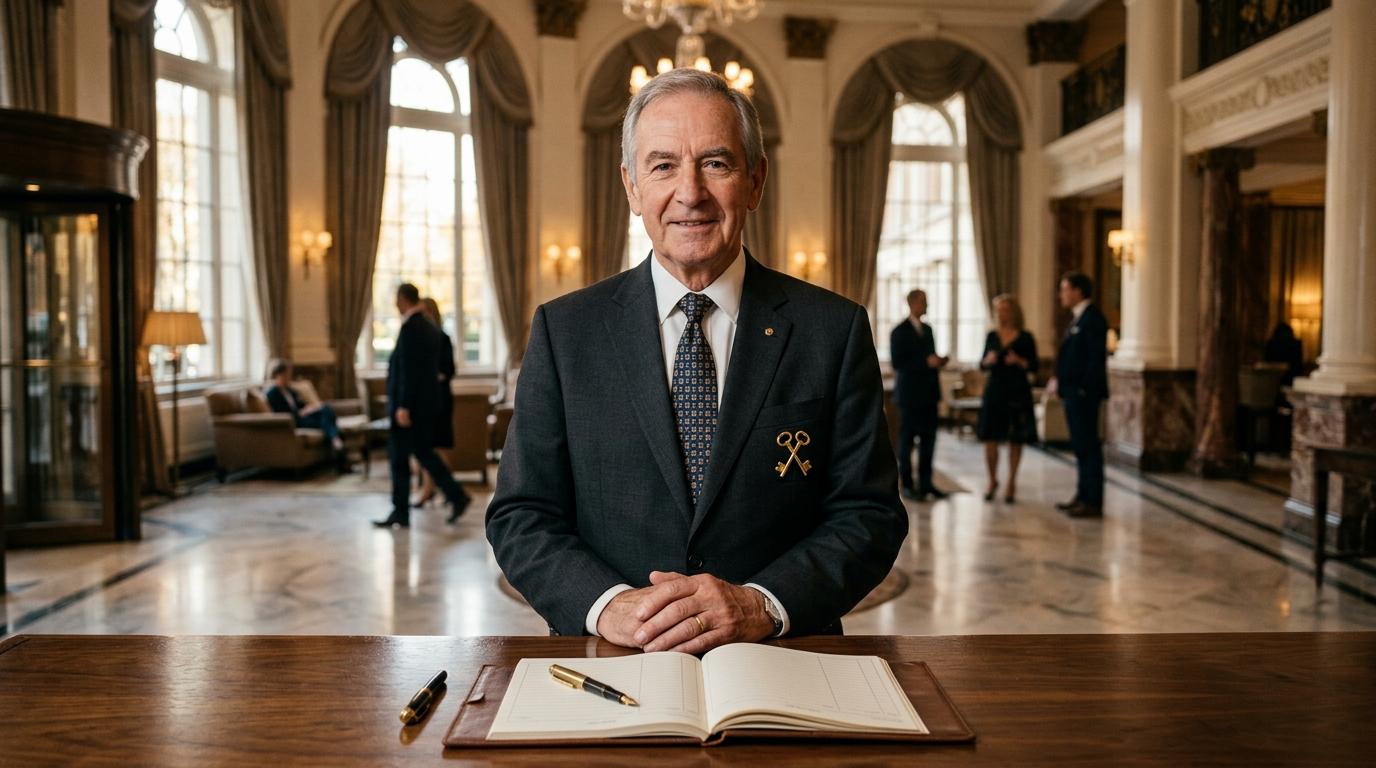
Season One: Why Asking About Flights at the Deposit Stage Doubled the Enquiry Rate
One sentence moved from a welcome email to a deposit invoice, and a Verbier catered chalet went from 3 charter enquiries in a winter to 6. Nothing else changed: same 12-bed chalet, same 18 bookable weeks from mid-December to mid-April, same guests. This case study is illustrative, built on the pattern we see with hospitality partners, with the operator unnamed and every figure rounded.
The previous winter, the operator mentioned private flights in the pre-arrival email sent two weeks before each stay. By then, 15 of the 18 parties had already sorted travel. Three enquired, a rate of 17%.
In season one, the line moved to the deposit invoice, usually issued 16 to 24 weeks before arrival. The wording was plain: "Are you flying in privately? We can introduce you to the broker our guests use for Sion and Geneva." Six parties enquired, a rate of 33%, and four booked.
The reason is timing. At deposit stage, a family has dates but no flights, and the question arrives when they are already spending on the trip. Two weeks out, it reads as an upsell to a decision already made.
Of the four parties who booked in season one, three took return arrivals into Sion; the fourth, a family who had driven out, booked a mid-week shuttle for a partner joining from Paris. The two who enquired without booking were both larger groups whose dates moved after deposit; neither enquiry was wasted, because both parties were already in the broker's file when they returned the following winter. For a chalet business, that is the quiet advantage of a luxury referral arrangement over a one-off discount code: the introduction outlives the stay that produced it.
The Numbers by Trip Type: Geneva and Sion Arrivals, Mid-Week Shuttles and Group Charters for Whole Chalets
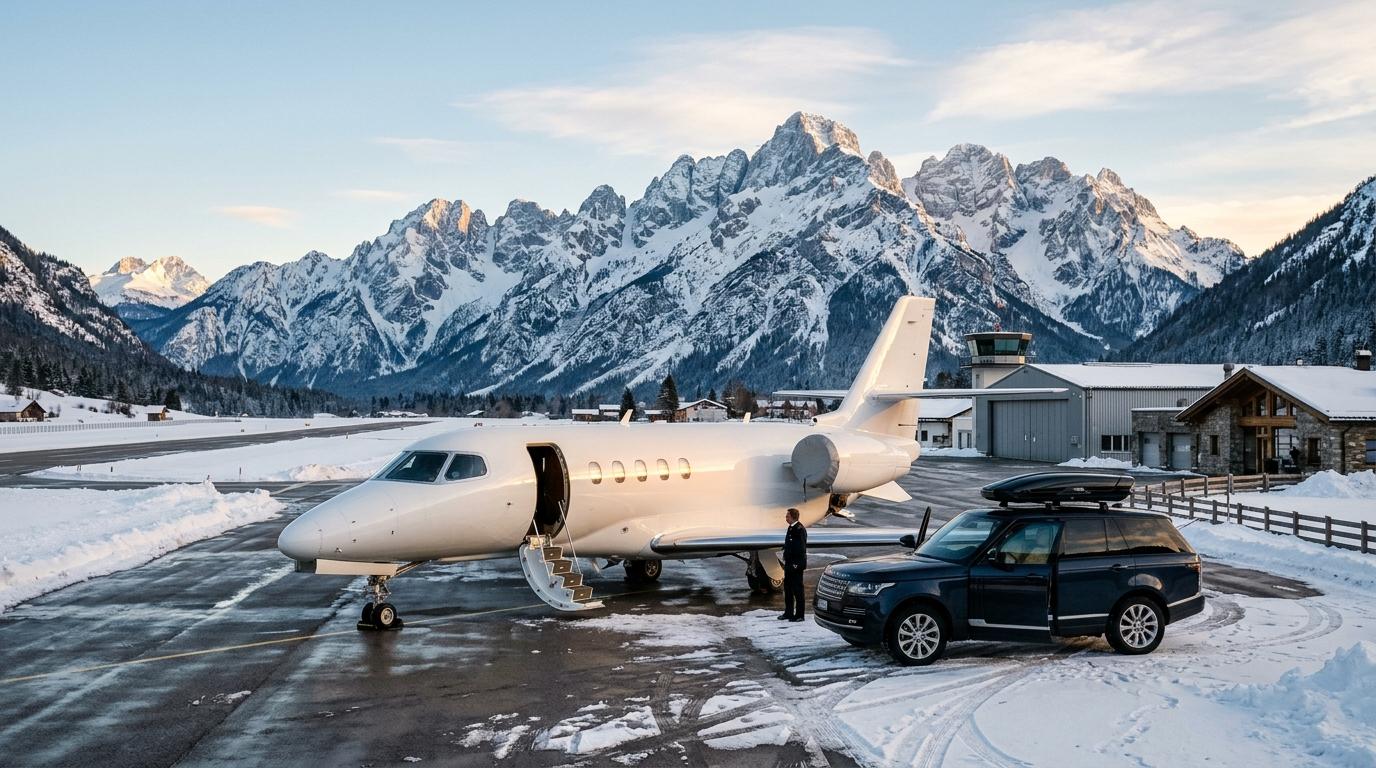
Sion (LSGS) is the arrival that sells itself. The road from Sion to Verbier takes about 45 minutes; from Geneva (LSGG) it is roughly 2 hours, longer on a Saturday changeover. Sion's runway is typically quoted at around 2,000 metres (check the current AIP), and its mountain approach requires crews with the right airport qualification, which limits the aircraft and operators that will accept it.
Sion and Geneva arrivals. A Farnborough (EGLF) to Sion sector on an Embraer Phenom 300E or Cessna Citation XLS+ takes around 1 hour 35 minutes and typically costs £14,000 to £18,000 one way. A return, priced as two one-way sectors, runs to £28,000 to £36,000. The chalet's average payout on one of these was £1,300.
Mid-week shuttles. A partner flying in on Wednesday after meetings, usually from Paris Le Bourget (LFPB), around 1 hour 10 minutes, at £9,000 to £12,000 one way. These paid less, averaging £600, but they usually came from parties already in touch with the broker, so they cost the operator one extra conversation at most.
Group charters for the whole chalet. When all 12 guests travel together, the Phenom 300E's typical maximum of 8 to 10 seats is not enough. The usual answer is an Embraer Legacy 600 or Bombardier Challenger 850, configured for up to 13 and 15 passengers respectively, flying Farnborough to Geneva. A return on this basis, two one-way sectors, typically costs £50,000 to £65,000. Payouts averaged £3,500, the highest of any winter trip type.
The commission rate behind every one of these was the same: 30%, under the Villiers partner programme. What changed the payout was trip size, not the percentage.
Across the three winters, the conversion pattern by trip type was consistent. Arrival enquiries booked at the highest rate, roughly three in four, because the family already had dates and a fixed destination. Group charters converted less often, closer to one in two, since getting 12 adults to agree a departure time is harder than the flight itself. Shuttles almost always booked, because the request arrived with a date and a passenger already fixed.
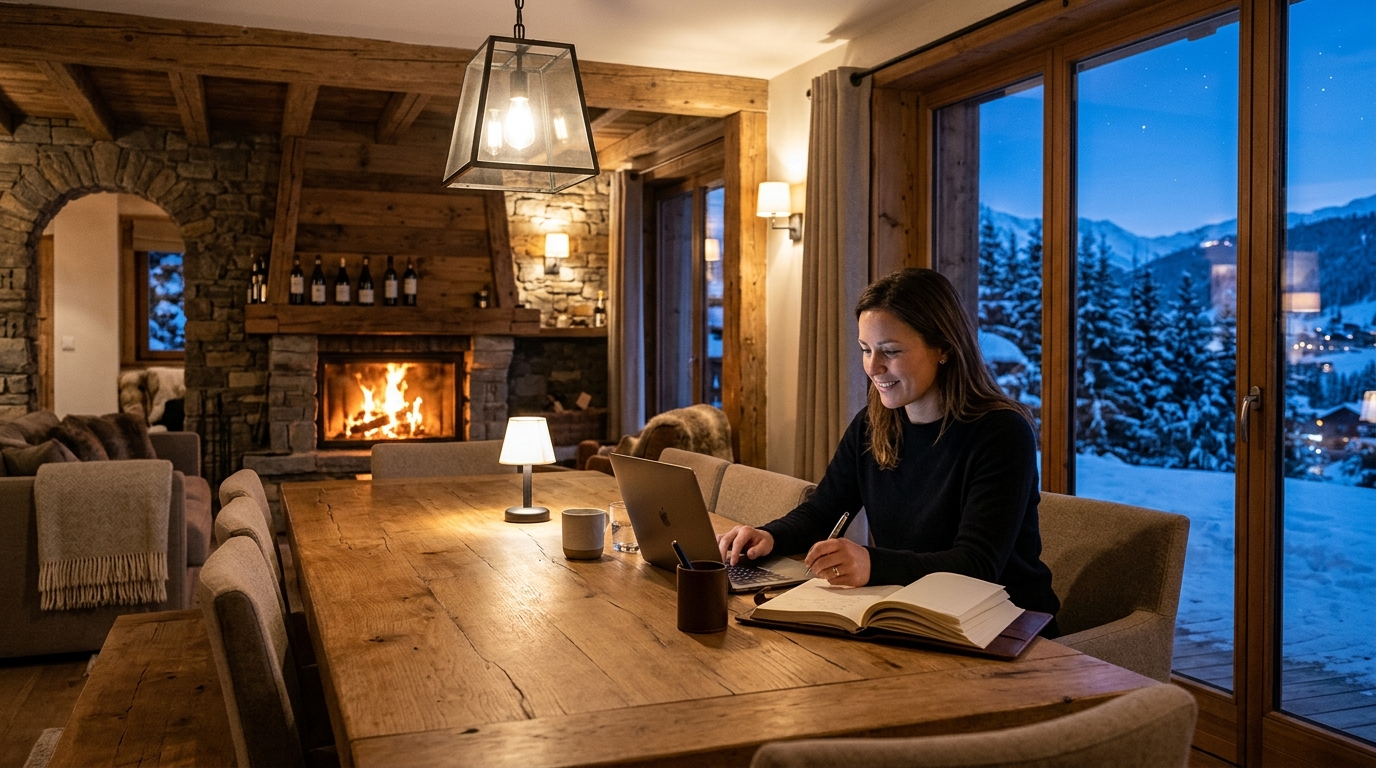
Filling the Off-Season: How Winter Guests Became Summer Riviera, Sardinia and Corporate Retreat Bookings
A guest who flew into Sion in February already had a broker they trusted by June. The operator did nothing to sell summer trips; the introduction did the work, because commission applied to later trips the introduced client booked, not only the first one.
In year two, three off-season trips came through: one Easter half-term family trip to Faro (LPFR) for the Algarve, and two summer trips. In year three, that rose to six.
Sardinia. Farnborough to Olbia (LIEO) on a Citation XLS+ takes around 2 hours 20 minutes. A return, two one-way sectors, typically runs to £30,000 to £38,000.
The Riviera. Farnborough to Nice (LFMN) is around 1 hour 50 minutes, at £15,000 to £19,000 one way, or £30,000 to £38,000 for a return priced as two sectors.
Easter half-term. Farnborough to Faro is around 2 hours 40 minutes on a Citation XLS+, at £32,000 to £40,000 return on the same two-sector basis. Faro, Nice and Olbia payouts all averaged around £1,700, higher than an Alpine arrival because the sectors are longer.
Corporate retreats. The surprise of year three was a September retreat: a managing director who had skied at the chalet in January brought 10 colleagues back for a summer offsite, flying Frankfurt (EDDF) to Sion on a Challenger 850. That one booking paid £3,200 and also filled a chalet week that would otherwise have stood empty.
This is the point that separates a well-run luxury affiliate programme from a one-off finder's fee. The operator's referral income started tracking the guest, not the calendar.

What the Commission Was Actually Paid On, and How Cash Arrived Through a Seasonal Year
The 30% is calculated on the commission Villiers earns on the booking, not on the full price of the flight. That keeps the payout tied to a confirmed, flown trip, and it is why a £60,000 group charter pays far more than a £10,000 shuttle, even though the rate is identical.
Three things sat outside the payout. Catering, lift passes and ground transfers booked through the chalet earned nothing under the scheme, since they are the chalet's own revenue. A trip cancelled before departure paid nothing, because no flight operated. And an enquiry that a guest later booked directly with another broker was simply lost, which is why the introduction email matters.
Payouts are made once the flight has operated and the client's payment has cleared. For a seasonal business, that creates a lag worth planning around. A booking captured at deposit stage in September, for a January arrival, pays in January or February, not in the autumn.
By year three, the cash pattern looked like this:
- December to April: winter arrivals, shuttles and group charters, £13,400
- April: Easter half-term trips, £3,400
- June to August: Sardinia and Riviera trips, £5,100
- September: the corporate retreat, £3,200
That gives £13,400 + £3,400 + £5,100 + £3,200 = £25,100 for the year. The off-season months contributed £11,700 of it, 47%, in months when the chalet itself earned nothing from its own guests.
For a business whose operating costs run all year but whose takings arrive in 18 weeks, that spread matters more than the headline total. A summer payout covers maintenance and pre-season staffing, which is the bill a ski chalet usually funds from the previous winter.
Three Seasons On: The Repeat-Guest Ledger and What Another Seasonal Luxury Business Can Copy
The ledger over three years, using the averages above:
| Year | Winter trips | Winter payout | Off-season trips | Off-season payout | Total |
|---|---|---|---|---|---|
| One | 4 (3 arrivals, 1 shuttle) | £4,500 | 0 | £0 | £4,500 |
| Two | 6 (3 arrivals, 2 shuttles, 1 group) | £8,600 | 3 | £5,100 | £13,700 |
| Three | 8 (4 arrivals, 2 shuttles, 2 groups) | £13,400 | 6 | £11,700 | £25,100 |
Year three winter: 4 × £1,300 + 2 × £600 + 2 × £3,500 = £13,400. Off-season: 5 × £1,700 + £3,200 = £11,700. The three-year total is £4,500 + £13,700 + £25,100 = £43,300.
Of the 14 trips booked in year three, 9 came from guests first introduced in years one or two. The chalet's guest list barely grew; its referral income grew because each introduction kept paying.
For any seasonal business weighing a premium travel referral partnership, whether a safari lodge, a Cornish villa agency or a yacht charter desk, four habits from this chalet carry over directly:
- Ask at deposit, not arrival. The question goes on the invoice, 16 to 24 weeks out, when flights are still open.
- Introduce once, by name. A single email connecting guest and broker, copied to both, so attribution is clear from day one.
- Log every introduction. Name, stay dates and introduction date, so later trips can be matched to the original referral.
- Mention the broker again at checkout. One line in the departure email, "Our guests use the same broker for summer," is what turned winter guests into Sardinia and Riviera bookings.
The working rule is simple: if your guests travel more than once a year and arrive at a destination with a private-aviation airport within an hour's drive, the deposit invoice is where a luxury referral scheme starts paying. Add the line before your next season's invoices go out.